
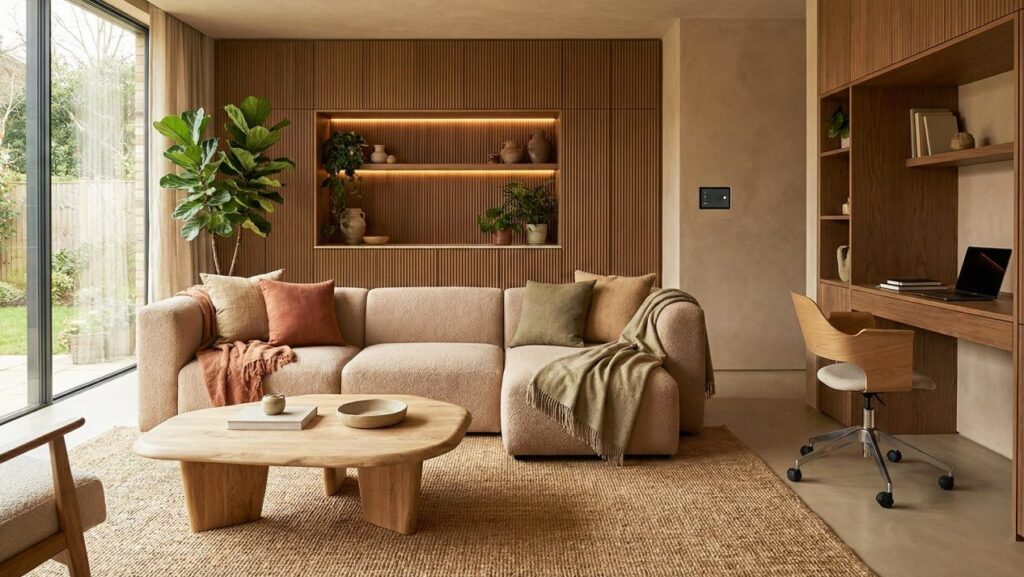
The concept of eco-conscious design has transitioned from a niche interest to a central pillar of modern architecture and interior decoration. Today’s homeowners are increasingly aware of the environmental footprint of their living spaces and are actively seeking solutions that minimize impact without sacrificing style or comfort. This shift is driven by a collective understanding that our homes can and should be part of the solution—efficient, sustainable sanctuaries that promote both personal well-being and global responsibility.
A fundamental element of this movement is the use of sustainable, responsibly sourced materials. Builders and designers are moving away from conventional resources and embracing alternatives like rapidly renewable bamboo for flooring, reclaimed wood for structural accents, and recycled steel for framing. Furthermore, the use of low-VOC (volatile organic compound) paints and finishes is becoming standard practice, ensuring that indoor air quality remains pristine and free from harmful chemicals. These material choices are not only better for the planet but often add a distinct, natural character and warmth to the home’s aesthetic.
Energy efficiency lies at the heart of the eco-conscious home. Modern design integrates advanced technologies to reduce consumption seamlessly. High-performance, triple-glazed windows, superior insulation, and airtight construction minimize heat transfer, keeping interiors comfortable in all seasons while drastically reducing energy demands. These architectural strategies, combined with the increasing accessibility of smart thermostats and energy-monitoring systems, empower homeowners to understand and manage their usage patterns effectively, creating a home that is as intelligent as it is environmentally friendly.
Water conservation is another critical focus of this design philosophy. In many regions, water is a precious resource, and sustainable homes are being equipped with smart fixtures that address this issue. The integration of low-flow showerheads, dual-flush toilets, and aerated faucets significantly reduces water usage without compromising performance. Additionally, modern landscaping practices are moving toward xeriscaping—designing gardens that require little to no irrigation—and the installation of rain collection systems for outdoor use, making the property’s water footprint significantly lighter.
The essence of eco-conscious design extends beyond individual components to influence the holistic layout of the home itself. Architects are prioritizing designs that maximize natural daylight through strategic window placement, which reduces the need for artificial lighting and creates a brighter, more pleasant living environment. Open floor plans and cross-ventilation strategies promote natural air flow, minimizing the reliance on air conditioning systems and fostering a healthier indoor climate. This thoughtful orientation of the home ensures that sustainability is not an afterthought but a core principle of its structure.
Ultimately, the rise of eco-conscious design proves that sustainability and luxury are not mutually exclusive. The contemporary aesthetic is being redefined by clean lines, natural textures, and a connection to the outdoors, all of which are core tenets of green building. As technology advances and these sustainable practices become more affordable, we are witnessing the creation of homes that are not only lighter on the planet but also healthier, more efficient, and more beautiful places to live. This is the future of residential design—a harmonious blend of responsible living and exquisite style.